

The guild system in Path of Exile is a cornerstone of the game’s social experience. It fosters community engagement, collaboration, and camaraderie among players, all while providing significant in-game benefits.
Whether you’re a casual player looking to join a supportive group or a hardcore player aiming for endgame challenges, guilds play a crucial role in enhancing your PoE experience. In this article, we’ll explore why Path of Exile’s guild system stands out in the ARPG genre and how it encourages players to become more involved in the community.
The Importance of Guilds in Path of Exile
In Path of Exile, guilds are more than just a group of players coming together—they are communities that offer support, coordination, and social interaction. Unlike other ARPGs where the focus is often on solo play, PoE’s guild system emphasizes teamwork and collaboration. Guilds allow players to work together, share resources, and support one another in progressing through the game’s challenging content.
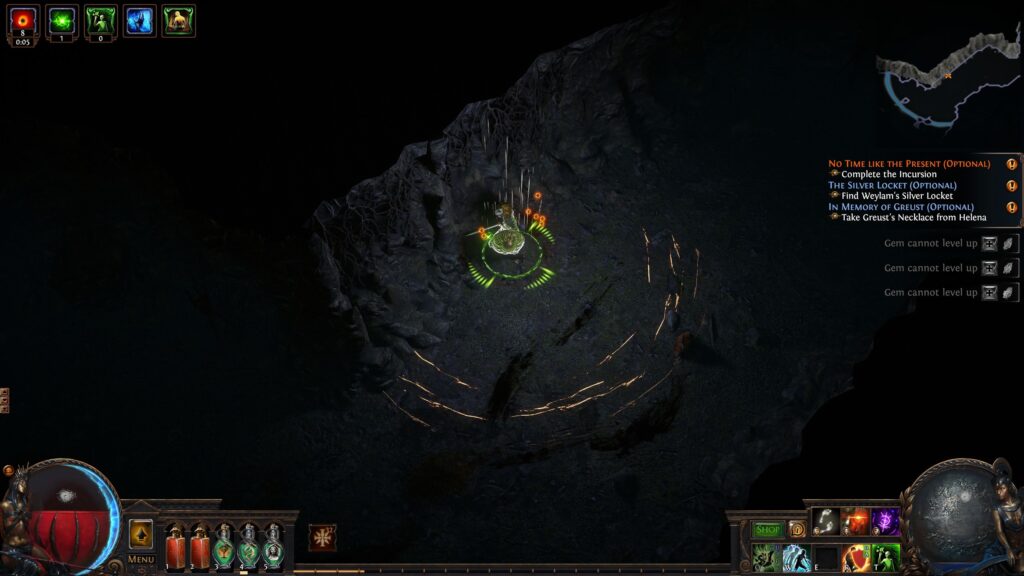
Guilds can provide a sense of belonging and a shared purpose, making them an essential aspect of the game’s long-term engagement. Whether you’re looking for a guild that specializes in high-end content or a casual group to explore the game with, the guild system in Path of Exile caters to players of all skill levels.
Guild Benefits: Shared Resources and Boosted Progression
Being part of a guild in Path of Exile comes with a host of in-game advantages. Guilds provide access to shared stash tabs, allowing members to contribute items and resources that can be used by the entire group. This system fosters cooperation and makes it easier for players to access the materials they need without having to grind for everything themselves.
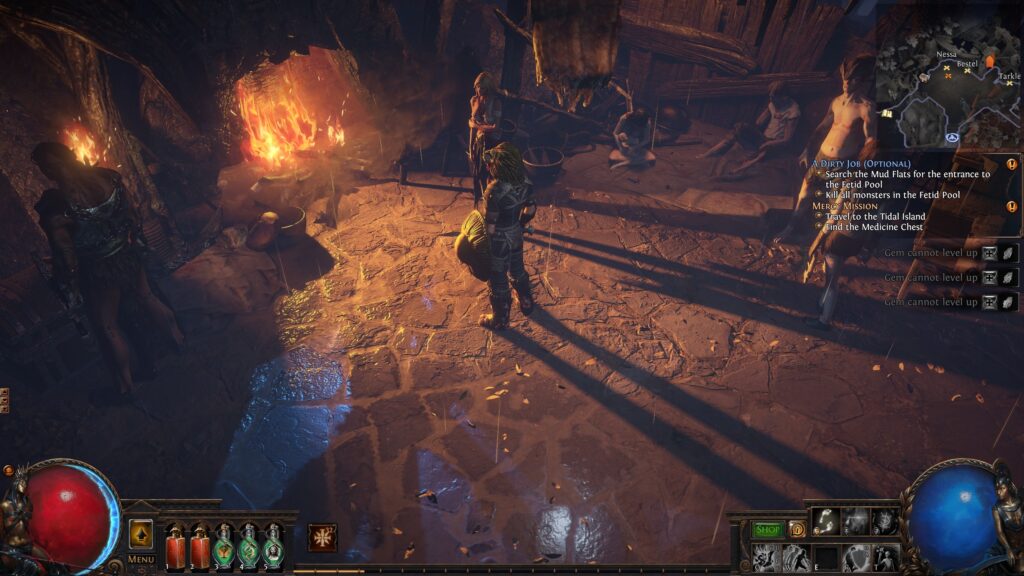
Guilds also offer in-game bonuses such as increased experience gain, reputation points, and special events that allow members to progress together. Additionally, guilds can take part in Guild Stash Auctions, where members can auction off valuable items to the highest bidder, further enriching the economy of the guild and its members.
Guild Challenges and Events: Engaging Your Community
Path of Exile’s guild system also encourages players to take part in unique challenges and events. Guilds can compete in league-specific challenges, where they work together to complete objectives that contribute to their guild’s success. These challenges create a sense of teamwork and help strengthen the bond between guild members, as everyone works toward a common goal.
Additionally, guilds can host their own internal events, such as races, boss hunts, or crafting competitions. These events allow players to engage with one another in a fun and competitive environment, adding another layer of excitement to the game.
Social Interaction: Building Long-Term Friendships
One of the biggest benefits of joining a guild in Path of Exile is the opportunity for social interaction. Path of Exile’s guild system fosters a positive environment where players can connect with others who share similar goals and interests. Whether you’re discussing strategy, sharing tips, or simply chatting about the game, guilds provide a space for players to build lasting friendships.
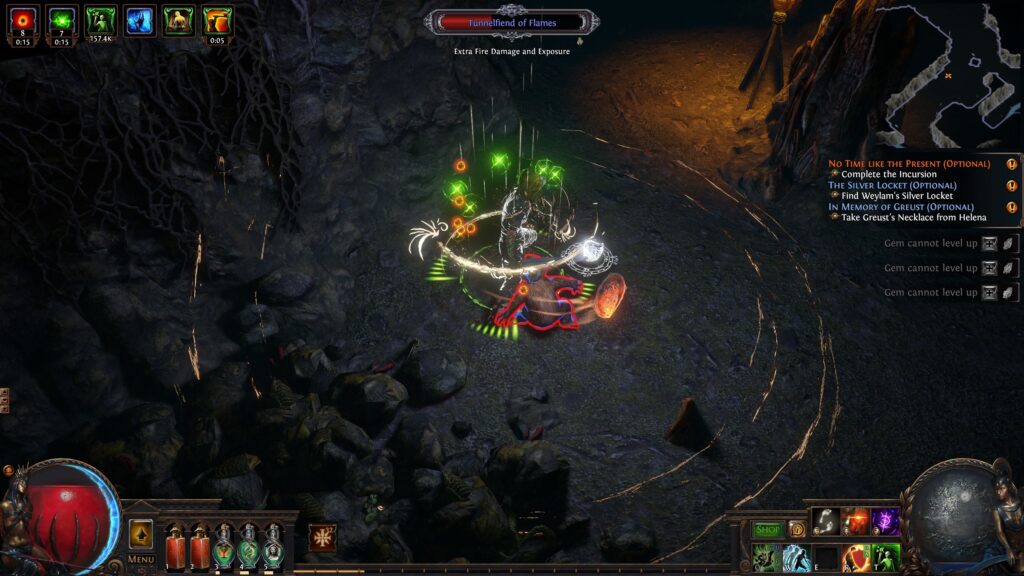
Guilds can also serve as a source of emotional support. Many players find that being part of a guild helps them stay motivated and engaged, especially when tackling the more difficult content in the game. The social connections formed within guilds create a sense of accountability and help keep the game feeling fresh and exciting, even after hundreds of hours of play.
Conclusion: Why Guilds are Essential in Path of Exile
Path of Exile’s guild system is a vital component of its success, offering players the opportunity to engage with the community, share resources, and progress together. Guilds provide social connections, in-game benefits, and a sense of belonging that enhances the overall experience.
Whether you’re aiming for high-level content or just want to enjoy the game with friends, joining a guild is one of the best ways to immerse yourself in Path of Exile’s rich world and foster long-term engagement.
Leave a Reply