
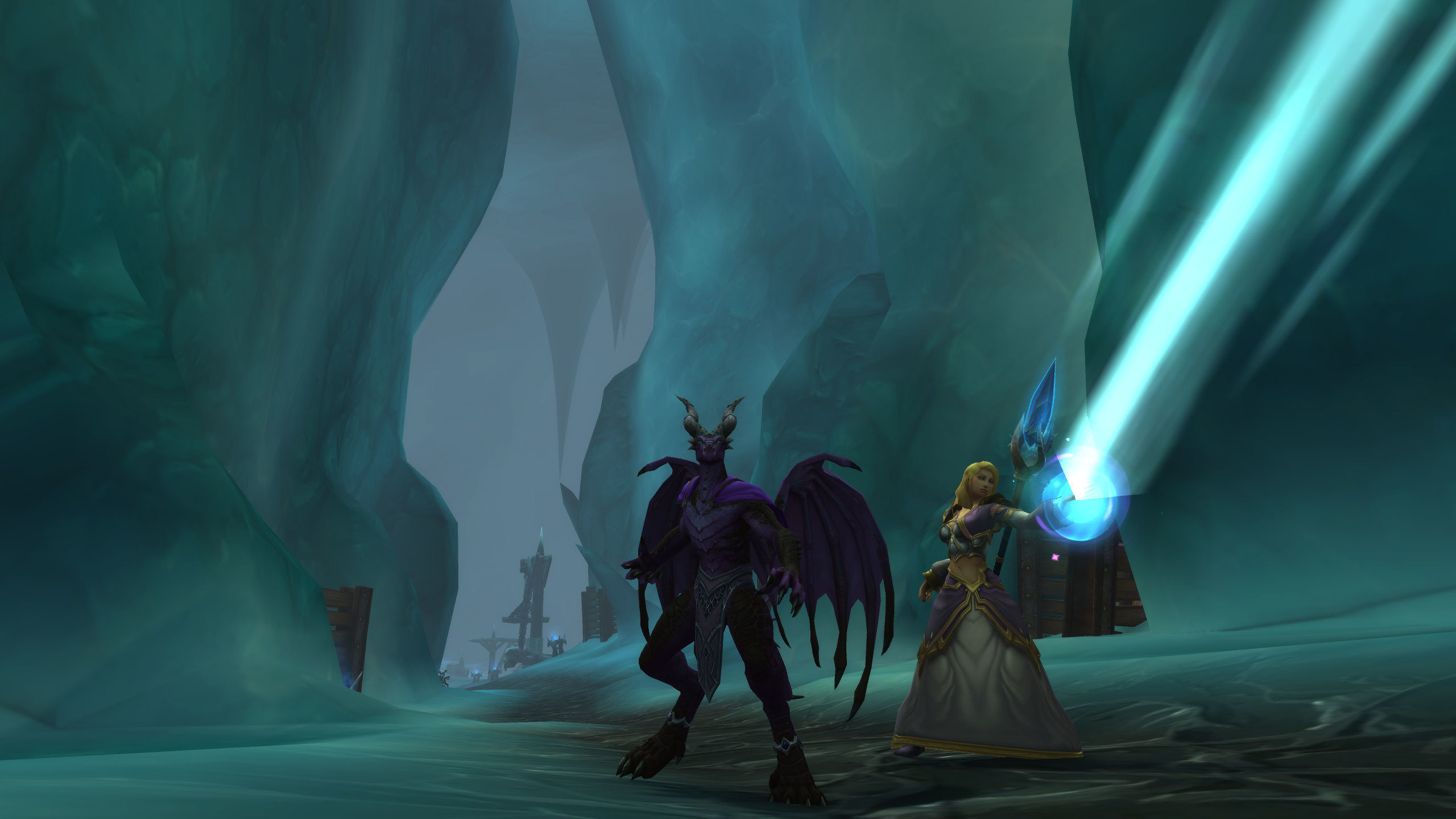
Class balance has always been one of Blizzard’s most delicate challenges in World of Warcraft. With dozens of specializations, each offering unique abilities, the developers must ensure no class feels overwhelmingly strong or unplayably weak. Balancing becomes even more complex when new expansions arrive, bringing fresh systems, talent trees, and mechanics that shift the power dynamic across the game.
Blizzard’s approach to balance has evolved over time, combining data analysis, player feedback, and live adjustments. Understanding how they manage this process highlights the effort required to keep WoW competitive and enjoyable for all playstyles.
Data-Driven Adjustments
Blizzard relies heavily on combat logs, simulations, and player performance data to identify outliers. Raid parses, arena rankings, and Mythic+ leaderboards reveal which classes are performing above or below expectations. This information helps guide hotfixes and larger balance passes throughout each patch.
By analyzing trends instead of single encounters, Blizzard can make informed changes that address systemic issues rather than temporary anomalies. This approach ensures classes remain balanced across different types of content.
Player Feedback and Community Input
Beyond numbers, Blizzard listens to community feedback. Forums, social media, and PTR testing provide valuable insights into how classes feel to play. A class may be statistically balanced yet still unsatisfying, prompting adjustments to improve flow, cooldowns, or utility.
This collaboration with the community helps refine design choices. Players often highlight nuances that data alone cannot capture, ensuring balance isn’t just about numbers but also about experience.
New Systems and Expansion Changes
Every expansion introduces new systems—talent overhauls, borrowed powers, or account-wide mechanics—that alter balance significantly. Hero Talents in The War Within are a prime example of features that must be tuned carefully to avoid creating overwhelming synergies or invalidating older builds.
Blizzard typically launches expansions with broader balance shifts, followed by fine-tuning as players explore new content. This ongoing cycle keeps gameplay dynamic while addressing inevitable imbalances.
Challenges of PvP vs. PvE Balance
Balancing for raids and dungeons often clashes with balancing for arenas and battlegrounds. An ability that feels fair in PvE may be overpowered in PvP, forcing Blizzard to implement separate tuning values. This dual approach helps maintain fairness across modes but increases complexity.
Despite the challenge, PvP-specific adjustments ensure that competitive play remains fair without undermining PvE performance, demonstrating Blizzard’s commitment to distinct experiences within the same game.
Philosophy of Ongoing Balance
Blizzard views balance as an ongoing process rather than a final destination. Weekly resets, mid-season patches, and expansion-wide updates ensure constant adjustments. While perfect balance is unattainable, the goal is to keep every class viable and enjoyable across different types of content.
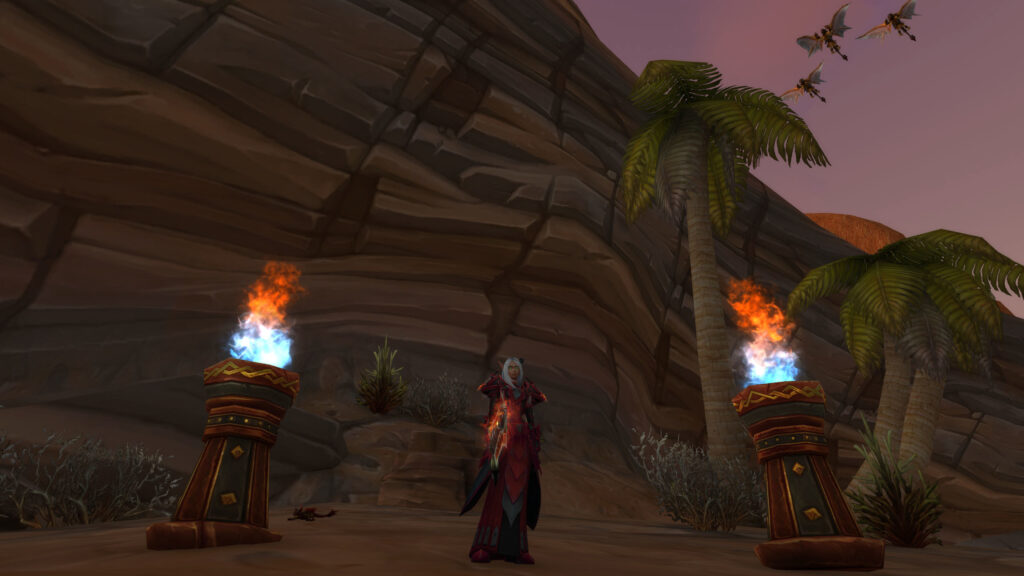
This philosophy encourages players to focus less on chasing the strongest class and more on enjoying their chosen playstyle, knowing Blizzard is monitoring and adjusting regularly.
- Data informs balance changes.
- Player feedback refines design.
- New systems require ongoing tuning.
- Separate PvP/PvE balance adds complexity.
- Balance is continuous, not static.
Conclusion
Balancing WoW’s classes across expansions is a never-ending challenge. Blizzard combines data, feedback, and design philosophy to ensure fairness and diversity, even as new systems reshape the game. While perfect balance is impossible, their efforts keep classes viable and engaging for players across all types of content.
This process reflects WoW’s enduring strength: a game that adapts and evolves while striving to make every class meaningful, enjoyable, and competitive.
Home
Leave a Reply