

The campaign in Path of Exile Two adopts a noticeably slower pace, placing exploration and environmental awareness at the center of progression. Rather than serving as a barrier to endgame, the campaign becomes a meaningful experience in its own right. Zones are designed to be observed rather than rushed, with layout, enemy placement, and atmosphere encouraging deliberate movement. This shift reframes the campaign from an obstacle into a space for learning systems, building confidence, and engaging with the world at a measured rhythm that contrasts sharply with earlier expectations.
Slower Pace Encouraging Environmental Awareness
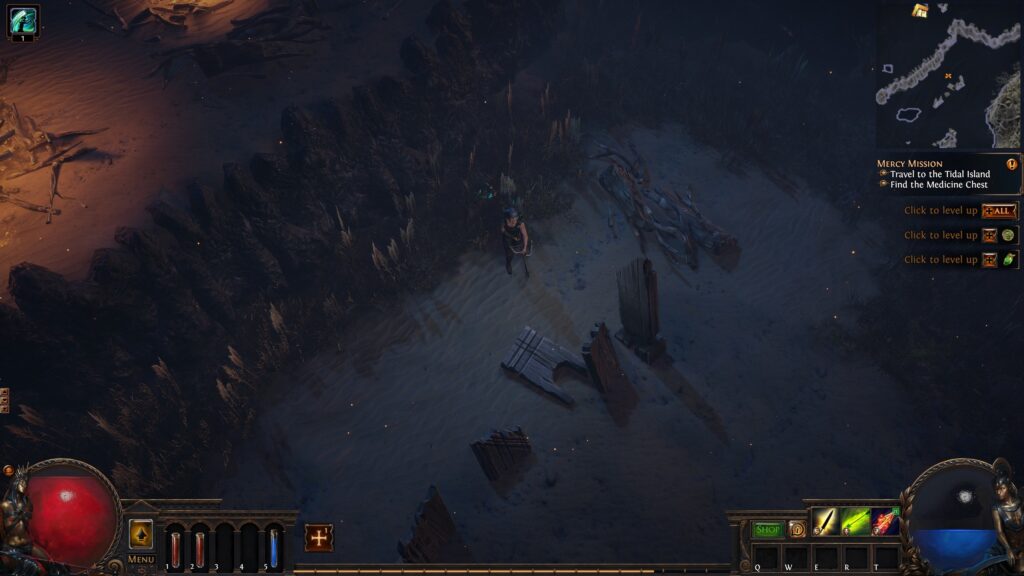
Reduced movement speed and encounter density create room for players to notice their surroundings. Environmental cues, enemy behaviors, and terrain features gain importance, guiding navigation and combat decisions. Instead of sprinting past threats, players are encouraged to engage thoughtfully, using space and positioning to their advantage. This awareness reduces reliance on brute force and reinforces intentional play. The campaign teaches players how to read the world rather than overpower it.
Exploration as a Learning Tool
Exploration in the campaign serves a practical purpose beyond atmosphere. By moving more slowly, players absorb information about mechanics, pacing, and enemy patterns that prepare them for later challenges. The campaign becomes a tutorial through experience rather than instruction. Players who explore attentively develop stronger fundamentals, reducing frustration in advanced content. This approach rewards patience and curiosity, aligning progression with understanding instead of speed.
Breaking the Habit of Rushing
Many players enter the campaign with ingrained habits of rushing, shaped by years of optimization culture. Path of Exile Two resists this behavior by designing encounters that punish reckless movement and reward preparation. Slower pacing forces players to confront impatience and adjust expectations. While this can feel restrictive at first, it gradually recalibrates how progress is perceived. Advancement becomes measured by mastery rather than distance covered.
Design Elements Supporting Exploration-Focused Campaigns
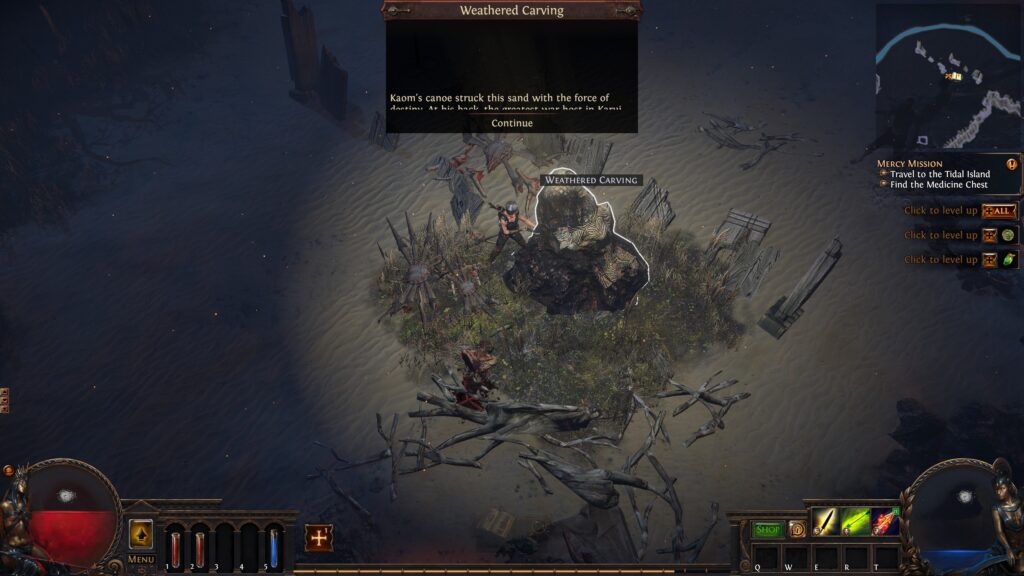
Several interconnected design choices reinforce the campaign’s exploration-driven pacing.
| Design Element | Purpose | Player Impact |
|---|---|---|
| Expanded zone layouts | Encourage observation | Reduced rushing behavior |
| Telegraphed encounters | Promote deliberate combat | Improved learning retention |
| Environmental storytelling | Reward exploration | Stronger immersion |
Together, these elements create a campaign experience that values engagement over efficiency.
Long-Term Effects on Player Mindset
A slower, exploration-focused campaign reshapes how players approach the rest of the game. By building patience early, it reduces burnout and encourages sustainable play habits. Players carry this mindset into later content, approaching challenges with composure rather than urgency. The campaign thus acts as a foundation for the entire experience, aligning player expectations with the game’s broader design goals.
Conclusion
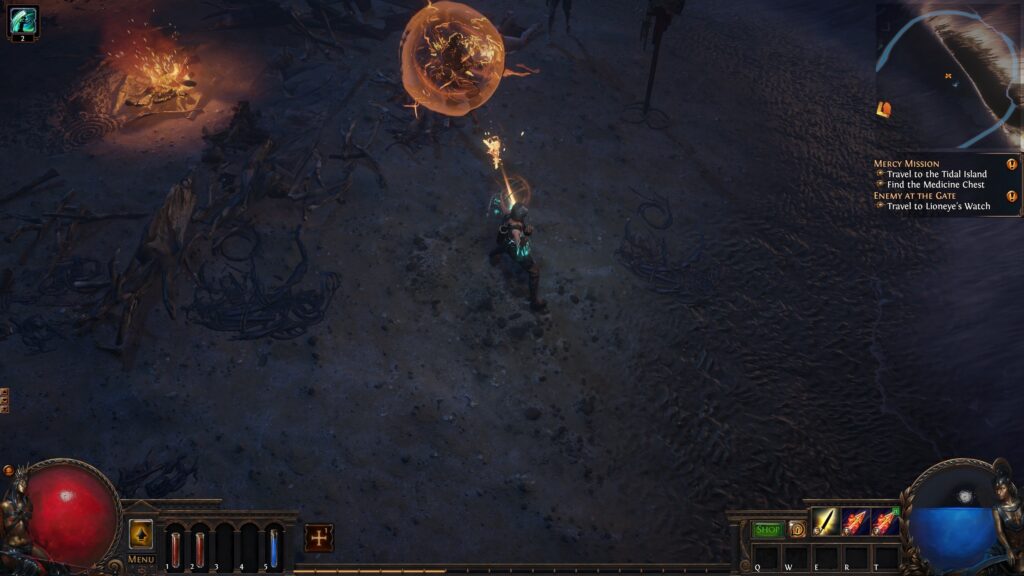
Path of Exile Two’s campaign emphasizes exploration and slower pacing to redefine progression as a process of understanding rather than rushing. By encouraging awareness, patience, and engagement, the campaign becomes an essential part of player development. This shift signals a broader commitment to intentional play that extends far beyond the early game.
Leave a Reply