

Ascendancy selection in Path of Exile is one of the few decisions that feels permanent long before it truly is. While respecs exist, the psychological weight of choosing an ascendancy often commits players to a playstyle for an entire league. This choice does more than provide bonuses; it shapes pacing, combat philosophy, defensive expectations, and even emotional tolerance for risk.
Once an ascendancy is chosen, players unconsciously filter future decisions through its strengths and weaknesses, gradually locking themselves into a specific rhythm of play that can last for months.
Early Identity Formation Through Ascendancy
Ascendancies are typically chosen early enough that they become foundational to a character’s identity. At this stage, players are still learning the build’s flow, and the ascendancy’s mechanics heavily influence that learning process.

Whether it emphasizes aggression, sustain, speed, or control, the ascendancy teaches players what feels “correct” in combat. Over time, this learning becomes habit. Players stop questioning alternative approaches and instead optimize within the chosen framework, reinforcing the playstyle through repetition rather than reevaluation.
Psychological Resistance to Reversal
Even when respec options are available, many players resist changing ascendancies because doing so feels like abandoning progress. Gear choices, passive tree paths, and muscle memory all align around the initial decision. Switching ascendancies introduces temporary inefficiency and discomfort, which players often avoid unless forced by failure. This resistance is not purely mechanical; it is emotional. The ascendancy becomes part of the character’s story, and changing it feels like admitting the original choice was wrong rather than simply different.
Long-Term Impact on Content Preferences
Ascendancy choice quietly influences which content players gravitate toward. Some ascendancies thrive in sustained encounters, while others excel at burst damage or rapid clearing. Over time, players naturally favor activities that align with their ascendancy’s strengths, reinforcing the lock-in effect.
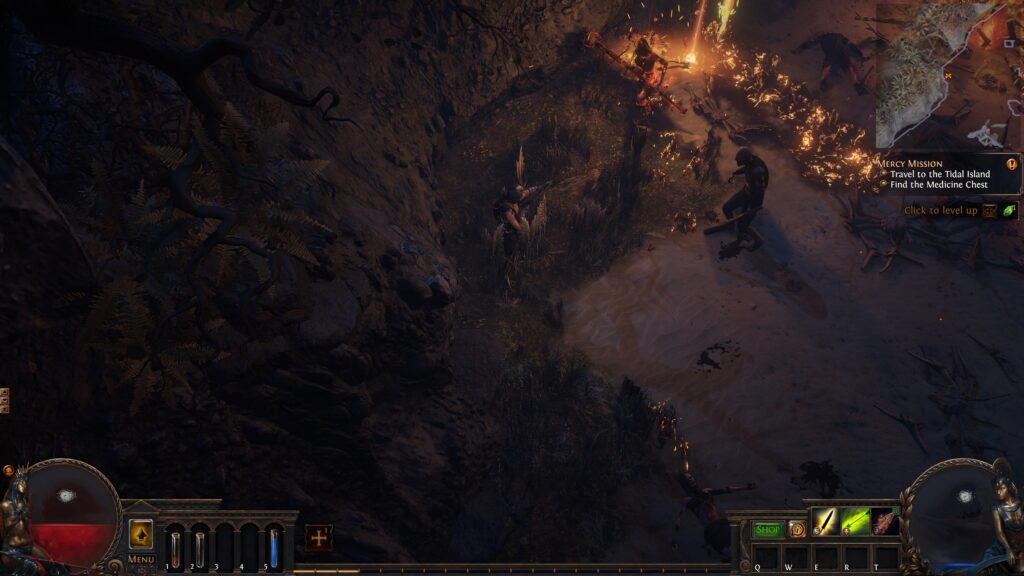
Content that highlights weaknesses is avoided, not because it is impossible, but because it feels inefficient or uncomfortable. This selective engagement further narrows playstyle, making the ascendancy’s influence self-sustaining across the league.
Ways Ascendancies Enforce Long-Term Commitment
Several structural and psychological factors combine to make ascendancy choices feel permanent.
- Gear and passive investments tailored specifically to ascendancy bonuses
- Muscle memory built around ascendancy-triggered mechanics
- Content preferences shaped by ascendancy strengths
- Emotional attachment to a successful identity
Together, these factors transform a single choice into a long-term commitment.
When Lock-In Becomes a Strength
While restriction sounds negative, long-term commitment can deepen mastery. Players who remain within one ascendancy framework learn its limits intimately, discovering nuanced optimizations that casual switching would obscure.
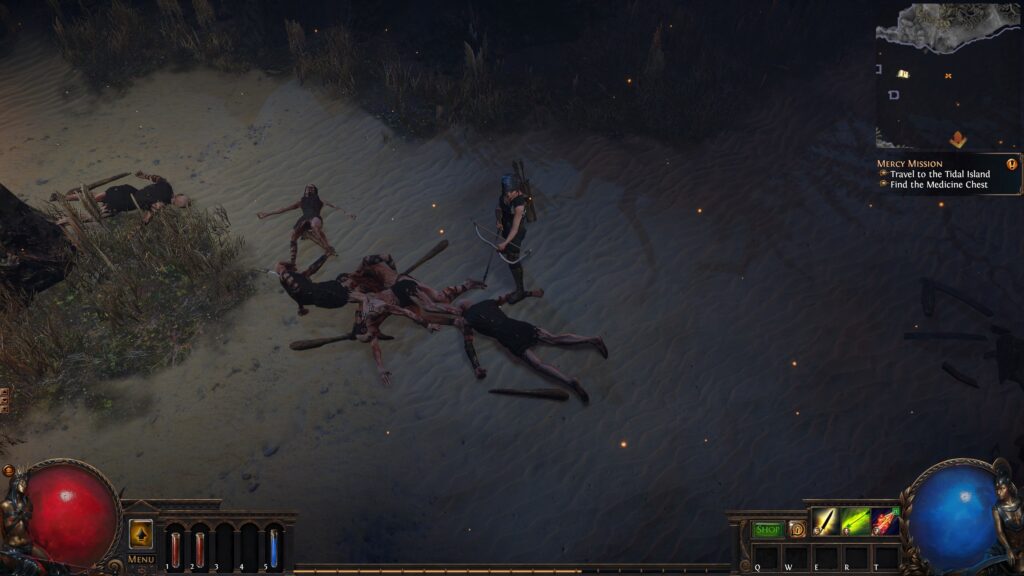
This depth often results in smoother execution and greater confidence, particularly in high-pressure encounters. The lock-in effect, when embraced consciously, turns limitation into specialization rather than stagnation.
Conclusion
Ascendancy choices lock players into playstyles not through mechanics alone, but through habit, identity, and emotional investment.
Once chosen, these paths shape decisions, preferences, and confidence for months. In Path of Exile, ascendancies are less about power and more about committing to a way of playing the game.
Leave a Reply