

Pinnacle bosses in Path of Exile represent a different category of challenge, one that exposes not only mechanical weaknesses but also mental habits formed throughout progression. Many players reach these encounters with sufficient gear and damage, yet still struggle because the mindset that carried them through mapping no longer applies.
Pinnacle content punishes impatience, emotional reactions, and overconfidence far more than imperfect optimization. Preparation therefore extends beyond equipment and passive trees, requiring a psychological shift toward restraint, observation, and acceptance of repetition. Winning is less about overpowering the fight and more about learning how to exist inside it calmly.
Letting Go of Mapping Expectations
Mapping trains players to expect constant forward motion, rapid clearing, and minimal downtime between rewards. Pinnacle bosses dismantle these expectations immediately. Progress is slow, attempts may end abruptly, and repetition becomes unavoidable.
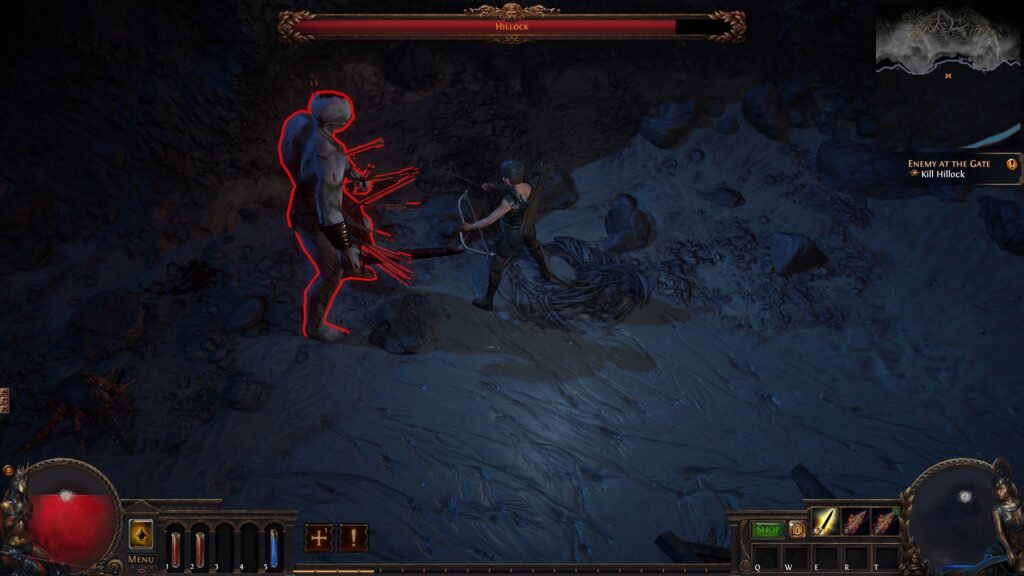
Players who mentally frame each failure as wasted effort often burn out before improvement occurs. Successful preparation involves reframing attempts as information gathering rather than progress checks. When expectations shift from victory to understanding, frustration gives way to focus, allowing learning to accumulate naturally across attempts instead of resetting emotionally after each loss.
Accepting Failure as Part of the Process
Unlike most content, pinnacle bosses are designed to be failed repeatedly before being mastered. This design creates emotional friction for players accustomed to smooth progression. Preparation requires accepting that deaths are not indicators of incompetence, but milestones in learning.
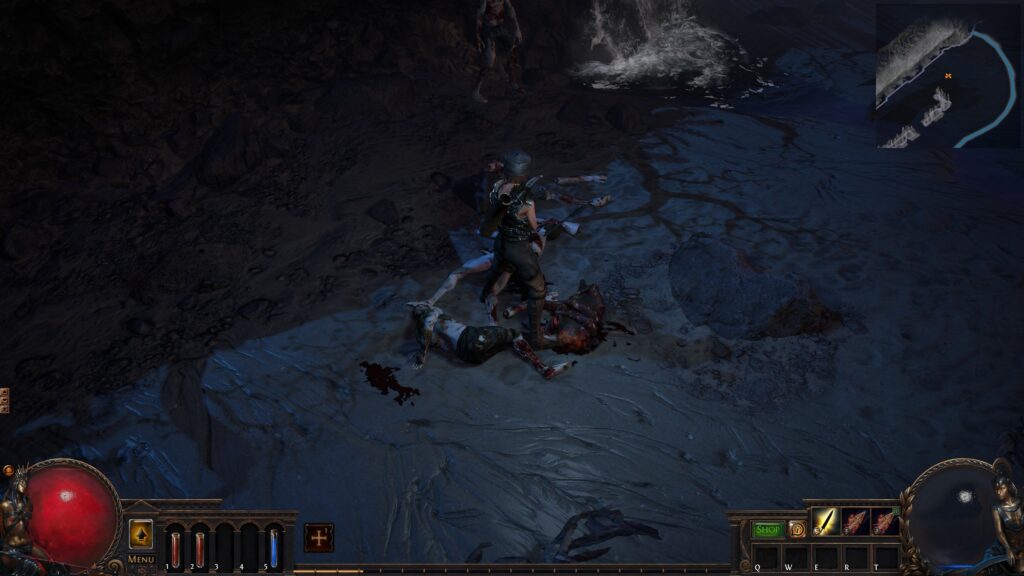
Each failure highlights positioning errors, timing mistakes, or misjudged mechanics. Players who internalize this process stop rushing recovery and instead reflect briefly after each attempt. This reflective pause is crucial, as it transforms failure from a stressor into structured feedback.
Slowing Decision Making Under Pressure
Panic is one of the most common causes of failure during pinnacle encounters. Fast reactions learned during mapping often become liabilities when mechanics require patience and precise timing. Preparing mentally involves deliberately slowing decision-making, even when pressure spikes. Players who survive longest are not those who act fastest, but those who act deliberately. This control reduces mispositioning, wasted resources, and mechanical overlap. Over time, slower decisions paradoxically result in smoother execution as confidence replaces urgency.
Mental Adjustments That Enable Consistent Progress
Players who eventually defeat pinnacle bosses often share similar psychological adjustments that stabilize performance across attempts.
- Viewing each attempt as practice rather than evaluation
- Pausing briefly after failures to identify one clear mistake
- Prioritizing survival over damage during early learning
- Stopping sessions before frustration degrades focus
These adjustments reduce emotional volatility and allow improvement to compound naturally instead of being interrupted by burnout.
Confidence Emerging From Familiarity
As mechanics become familiar, emotional pressure decreases. What once felt overwhelming becomes predictable, and reaction windows feel wider. This confidence is not bravado but trust built through repetition. Players begin to recognize patterns instead of reacting blindly, allowing mental space for adaptation.

At this stage, preparation transitions into execution, and victory often follows soon after—not because the boss changed, but because the player did.
Conclusion
Preparing for pinnacle bosses requires a mental shift away from speed, certainty, and immediate success.
By embracing failure, slowing decisions, and reframing attempts as learning, players create the conditions necessary to win. In Path of Exile’s hardest encounters, mindset is not supplemental—it is decisive.
Leave a Reply